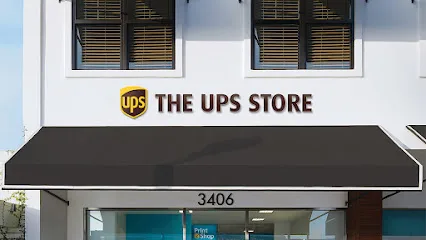
Choosing a notary in Rochester is less about finding a desk that can stamp something and more about matching your document packet to the notarization workflow that your form instructions actually expect. At The UPS Store at 620 Park Ave, Rochester, NY 14607, the listing signals that a notary public is available at the store and that you can plan around the location’s operating context while confirming the details that matter for your specific paperwork.
Before you schedule or walk in, use the questions below to decide whether this kind of walk-in notary setting—and the alternatives that may be offered—will prevent delays or a redo of signatures, acknowledgments, and identity verification steps.
Start with your packet’s end goal: what has to happen when?
Your best first decision point is the final outcome your paperwork needs: is it a single signature page, a multi-document packet, or a set of forms that must be signed in a specific order? Many notarization problems aren’t about willingness—they’re about timing, order, and whether the signer’s identity materials line up with what the notary must review.
At this location, the store listing ties the address and phone to its notary offering, including +1 585-442-3060 and the official store page on the UPS Store listings site. Treat that as your cue to call ahead with the packet details (how many pages, how many signatures, and whether any signatures must be witnessed or tied to a specific date).
Walk-in can fit when you can verify identity quickly
Walk-in notarization often works best when your signer can arrive with the right government-issued ID and the document pages are ready to be signed and notarized without missing attachments. If your packet is straightforward—no unusual signature placement, no unclear capacity wording, and no “pending” pages—you can usually focus on confirming turnaround and whether the notary can complete the notarization in the visit.
For this store, the listing also reports a public rating signal of 3.8 from 314 reviewers. Ratings are not a substitute for verification steps, but they can help you estimate how consistent service feels for a walk-in environment.
Remote online or in-store: decide based on what your documents require
Some documents are easier to complete with a Remote Online Notarization (RON) workflow when the signer cannot physically attend. Other document sets are strict about signatures, timing, and the method of notarization the receiving party expects. Your job is to confirm what your paperwork requires before you commit to a method.
Because the store listing page includes notary as one of its services, you can use it to guide your first call: ask whether the notary can complete your documents as you need in the current format (in-store walk-in versus remote online), and whether any special instructions apply to your document type.
Prevent the “wrong method” redo
A common avoidable issue is choosing a method that produces notarization steps that don’t match the receiving institution’s expectations. To avoid that, ask the store’s notary contact to confirm the notarization type and method you need for your packet.
Also clarify practical constraints: Are you signing all pages during your appointment? Do you have the correct signer role wording (individual vs. representative) printed on the form? If your paperwork includes attachments or exhibits, bring them organized in the order your notary will review.
Use the address and official listing signals—then verify the non-negotiables
When you contact The UPS Store’s Park Ave location, anchor the conversation to concrete facts: 620 Park Ave, Rochester, NY 14607, the store phone +1 585-442-3060, and the official listings page you can reference for context. The official listing is a reliable starting point for confirming that you’re speaking about the correct notary services at that address: https://locations.theupsstore.com/ny/rochester/620-park-ave?utm_source=Yext&utm_medium=organic&utm_campaign=Listings.
From there, verify the non-negotiables that affect whether your notarization completes in one attempt:
- What identification is required for your specific signer situation (for example, whether any additional documentation is needed alongside the ID).
- Whether your packet can be completed in one visit and how many signatures will be handled.
- Whether any notarization type restrictions apply (acknowledgment versus jurat, if your form distinguishes them).
When to consider a different setup
If your paperwork has time pressure but unclear method requirements, it’s sometimes worth escalating your plan before you arrive. Consider a different notarization approach if the receiving party insists on a particular notarization format, if you cannot provide required identity materials the same day, or if the packet needs changes after a first attempt.
For most people, the right move is to treat this store notary option as a workflow match problem. Call first with your packet’s page count and what signer roles are on the forms, then decide whether walk-in timing or an alternative method aligns with what the document instructions actually require.