
Overview: notarization plus day-to-day document services
Kuka Traveling Walkin & Virtual Notary operates as a mobile notary service in Brooklyn, with the option of remote online notarization for eligible transactions. In addition to notary signings, the office also supports common document-prep tasks such as passport photos, printing and copying, scanning and email delivery, fax handling, and other visitor-focused services. This guide explains how a typical visitor visit is organized and what to expect when combining notarization with document services.
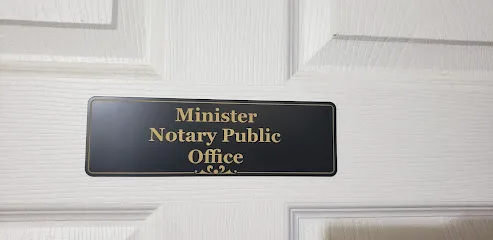
New York appointment basics and what to confirm first
In New York, notarization generally requires the signer to appear and present acceptable identification, and certain documents may also require specific language, capacity (for example, individual versus representative), and signing instructions. Fee caps and witness rules can depend on the document type. For the smoothest appointment, confirm three items before arrival or upload: the exact document type, how many pages require signatures or notarization, and whether the signer needs to provide witnesses or additional supporting forms.
For services that require preparation time—such as scanning multiple pages into a specific format or arranging fax/email delivery—bring clear instructions on where the documents should go and the deadline for delivery.
How mobile and remote online notarization are typically handled
Kuka Traveling Walkin & Virtual Notary supports mobile service, meaning the notary comes to the client location for eligible signings. This can be helpful for clients who need scheduling flexibility, are unable to travel, or prefer in-person document handling. When remote online notarization (RON) is offered for the same transaction, the signer must follow the provider’s process for identity verification and the remote signing session.
To decide which option fits best, ask which document types are eligible for mobile versus remote online completion and whether the signer must be present in real time for any required confirmations.
What visitors should bring: documents, IDs, and supporting details
Every notarization appointment typically starts with identification and the complete document package. Visitors should prepare:
- Government-issued photo ID for identity verification (requirements can vary by transaction and notarization method).
- The full document package, including all pages that need signatures, notarization, or exhibits.
- Any instructions from the requesting agency (for example, where notarization must be used, required wording, and whether a certificate of acknowledgment or jurat is needed).
- Witness or signatory information if the document requires additional parties to sign.
For add-on services, bring specifics such as the number of copies, preferred print format, scan resolution or file type, and the destination email address or fax number.
Passport photos, copying, printing, scanning, fax, and email delivery
Many visitors contact a notary office because they need more than a signature. Kuka Traveling Walkin & Virtual Notary is support document-prep tasks around the signing session. Typical visitor requests may include passport photo preparation, printing and copying for forms, and converting paper documents into digital files through scanning. Fax and email delivery help when a requesting office requires the document to be sent quickly.
To avoid delays, request a quick checklist for each service: whether the office requires the original document, how files are labeled for email delivery, and whether there are restrictions on laminating or formatting.
Cost expectations: how to budget for notarization and document services
Notary fees can vary by transaction complexity and state rules for certain documents. Additional services—printing, copying, scanning, fax transmission, and passport-related photo preparation—may have separate charges based on volume and turnaround time. Before the appointment, visitors should ask for a clear fee estimate that separates notarization from each add-on service.
When budgeting, also consider practical timing: a signing that includes multiple pages or extra prep tasks may require extra processing steps, such as assembling exhibits or confirming delivery details for scans and email.
Practical next steps before you go
Visitors in Brooklyn can streamline their appointment by preparing the document package in advance and confirming the service method (mobile versus remote online) and any required document types. A short call helps verify availability and ensures that the notary and the client have consistent expectations for signing instructions, identification requirements, and add-on document services such as copying, printing, scanning, and fax/email delivery.