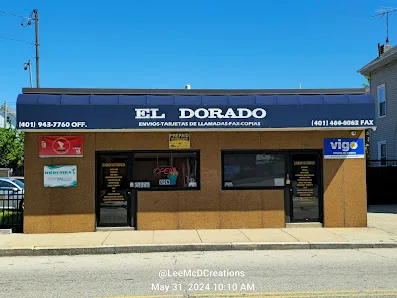
Choosing a notary in Providence is less about picking the most familiar name and more about matching the appointment to the document, signer, and timing. El Dorado is listed as a Walk-In Notary at 469 Plainfield St, Providence, RI 02909, with mobile appointments and other service options shown in its local profile. That makes it a potentially useful starting point for someone who wants to discuss a signing in person, but the listing should be treated as a starting point for verification rather than a guarantee that every document or appointment type is available.
The most useful decision is the one made before anyone travels. A short call can establish whether the notary can handle the document, whether every signer must attend, what identification is accepted, and whether the appointment will be at the Plainfield Street location or elsewhere. Those details matter for powers of attorney, real-estate paperwork, medical directives, and documents intended for use outside the United States.
The Plainfield Street listing gives Providence signers a concrete starting point
The displayed address is 469 Plainfield St, Providence, RI 02909, United States. For a customer comparing nearby notary providers, a specific street address is helpful because it clarifies the likely office-based option and makes travel planning more realistic. The listing also shows the phone number +1 401-943-7760. Before leaving home, a signer should use that number to confirm the current address, hours, parking or access details, and whether walk-in service is actually operating at the desired time.
El Dorado is shown with a 3.7 rating from 6 reviewers. That is a small public review sample: it can provide context, but it cannot establish that a particular document will be accepted or that a particular appointment will be available. A careful reader should use the rating as one comparison signal, then place more weight on clear answers about the requested notarization.
The document determines the important preparation questions
Notarization is not the same as preparing legal language or deciding whether a document is appropriate. The signer generally needs to bring the complete document, leave signature areas unsigned unless the notary gives different instructions, and understand what is being signed. A government-issued identification document may be required, but the exact acceptable forms and expiration rules should be confirmed directly because requirements can vary with the situation.
For a power of attorney, real-estate document, loan package, or medical directive, ask whether the full document can be reviewed for missing pages, whether witnesses are needed, and whether more than one signer must be present. The notary may verify identity, willingness, and awareness without explaining the legal effect of the document. If the signer needs legal interpretation, an attorney or another qualified professional is the appropriate source for that advice.
Mobile, same-day, and remote options need specific confirmation
The local profile lists mobile service, same-day appointments, weekend availability, and Remote Online Notarization among its service options. Those labels are useful leads, not automatic promises. A customer should ask which option applies to the document, where the signer must be located, how identity verification works, and whether an appointment is required. A mobile request may also involve a travel area, access conditions, or timing that differs from a visit to 469 Plainfield St.
Remote notarization can have additional eligibility and technology requirements, and a document intended for another state or country may raise separate acceptance questions. The notary can explain the service process, but the receiving agency, lender, court, government office, or foreign authority may control whether the completed document is accepted. Confirm that point with the recipient before choosing an in-person or online route.
An apostille request is a separate document-handling question
El Dorado’s profile includes apostille among common document topics, but notarizing a document and obtaining an apostille are different steps. An apostille is generally connected to authentication for use in another participating jurisdiction, while the notary’s act concerns the signing and notarization itself. The signer should ask whether El Dorado only notarizes the document or also helps with the later authentication process, which office handles that step, and whether the destination authority has format or certificate requirements.
That conversation is especially important when a deadline is involved. A notary should not promise that a foreign authority will accept a document, and a listing should not be read as a guarantee of processing time. Written confirmation of the scope, handoff, and expected next step can prevent an avoidable trip.
What makes El Dorado worth comparing
El Dorado has several practical signals for a Providence search: a named Walk-In Notary focus, a visible Plainfield Street location, a published phone contact, and listed mobile and remote possibilities. Those features may suit a signer who values options, but fit depends on the exact documents and circumstances. The strongest next step is a focused call using the document type, number of signers, preferred appointment format, identification question, and any apostille destination as the agenda.
That approach keeps the choice grounded. It recognizes what the public listing suggests while leaving service scope, current availability, fees, and acceptance details to direct confirmation. For an appointment at El Dorado, the goal is not simply to obtain a signature; it is to arrive with the right documents, the right people, and a clear understanding of what the notarization does and does not cover.