
What ApostilleInt.com (Manhattan) Does for Visitors
ApostilleInt.com (Manhattan) provides document authentication services commonly needed when paperwork must be used outside the United States. That often includes apostille processing for documents issued by U.S. states (for example, birth certificates, court documents, business records, and other vital or legal paperwork). Visitors typically come with documents that need verification for international presentation and may also need notarization steps before authentication.
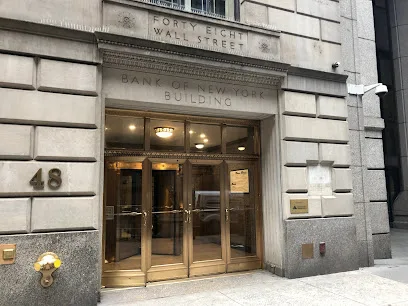
The Manhattan office is located at 48 Wall St in New York, NY. Depending on the document type and the client’s location, appointment options can include in-person/mobile work and remote online notarization when eligible.
Quick Statute Note: Apostille Requirements and Document Handling
Apostille procedures follow the international apostille framework for countries participating in the Hague Apostille Convention. In practice, the key visitor requirement is that the document must be prepared and processed in a way that matches the authentication pathway—often starting with the notarization and then moving to state-level authentication steps for records issued by that state.
Because apostille steps can vary by document type and the issuing authority, clients should expect to provide clear information about where the document was originally issued and what the receiving country requires. For some transactions, additional forms, signatures, or supporting pages may be needed before authentication can proceed.
What to Bring Before an In-Person or Mobile Appointment
Visitors arranging apostille help should plan to bring documents in the correct format and quantity, along with identification and any instructions from the overseas recipient or agency. Preparing ahead usually reduces delays.
- The original document and any required copy set (requirements depend on the issuing state and the document type).
- Photo ID for notarization and identity verification when an in-person or mobile meeting is used.
- Information about the issuing state (or the jurisdiction that produced the record) and the reason for authentication.
- Clear instructions from the foreign office (for example, what the document must say and how it will be used).
- Any prior notarization or authentication steps already completed, if applicable.
If documents are missing, unsigned, or not in an acceptable format, the authentication process may be delayed. Calling ahead to confirm document requirements is especially helpful for visitors working with deadlines such as visa filings, adoption, schooling, or legal matters.
Service Options: In-Person, Mobile, and Remote Online Notarization
ApostilleInt.com (Manhattan) supports multiple ways to complete the notarization step. Visitors may be able to schedule in-person meetings at the Manhattan address, request mobile service, or complete eligible steps through remote online notarization.
Remote options can be useful for clients outside the local area who need document notarization without traveling. Mobile service can be helpful for seniors, people with scheduling constraints, or visitors managing time-sensitive appointments.
When contacting the office, visitors should be ready to share the document type, the issuing state, and whether the appointment will be in-person, mobile, or remote. Those details help determine the correct workflow for authentication.
Common Documents That Visitors Request for Apostille Authentication
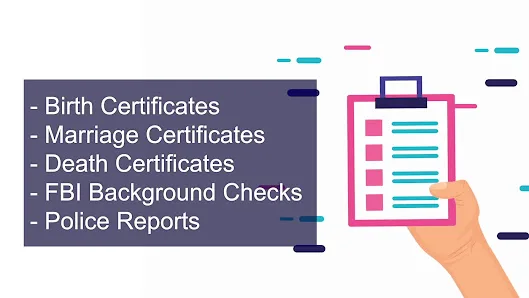
Clients commonly seek apostille-related authentication for documents such as:
- Power of Attorney paperwork used abroad
- Real estate documents for foreign transactions
- Loan and business records that require verification
- Apostille authentication requests for records issued in another U.S. state
- Medical directives intended for use outside the United States
Each document type may require specific supporting pages, stamps, or formatting. Visitors should confirm whether the receiving country has additional requirements, such as translations or formatting preferences.
Typical Cost and How Visitors Can Confirm Fees
Pricing for notarization and authentication workflows depends on factors such as document type, number of pages, and which steps are required to reach apostille authentication. Visitors are encouraged to confirm fees by contacting the office and sharing the document details in advance.
When requesting pricing, visitors should be ready to provide the issuing state, the document category, and any deadlines. That information helps confirm whether the notarization step can be completed quickly and what additional authentication steps may be involved.
For Manhattan clients planning an in-person visit, the office at 48 Wall St offers a clear location reference for appointment planning. For those needing coverage beyond Manhattan, mobile and remote options may reduce the need for travel.